Sudan is facing one of the most severe humanitarian crises in the world. Prolonged conflict, economic collapse, and extreme weather events have left millions of people without access to food, clean water, shelter, or basic medical care. Families have been displaced from their homes, communities have been torn apart, and children are among the worst affected. At Lifeline Khair Foundation, we have mobilized an emergency response to deliver life-saving aid to those who need it most, working with local partners and volunteers to reach isolated and vulnerable populations across the country.
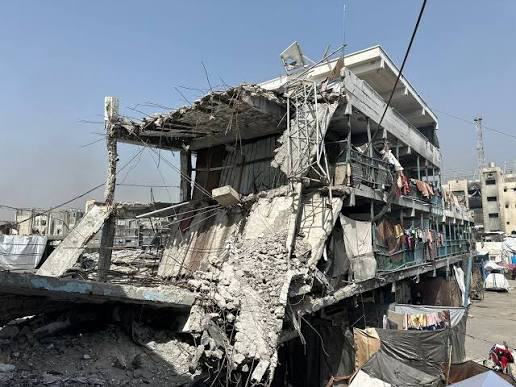
The humanitarian situation in Sudan has deteriorated rapidly in recent years. Armed conflict has destroyed homes, hospitals, and schools, while blockades and insecurity have prevented aid from reaching those in need. In addition to violence, recurring droughts and floods have devastated agricultural land, leaving rural communities without food or income. The collapse of health services has led to outbreaks of cholera, malaria, and other preventable diseases. According to United Nations estimates, more than half of the population requires urgent humanitarian assistance, and millions have been forced to flee their homes in search of safety.
Women and children are disproportionately affected by the crisis. Displaced families often live in overcrowded camps with limited access to clean water, sanitation, or protection. Malnutrition rates among children under five have reached emergency levels, and many girls are being denied access to education due to insecurity and cultural barriers. The psychological toll of conflict, displacement, and loss is immense, with limited mental health support available for those who have experienced trauma.


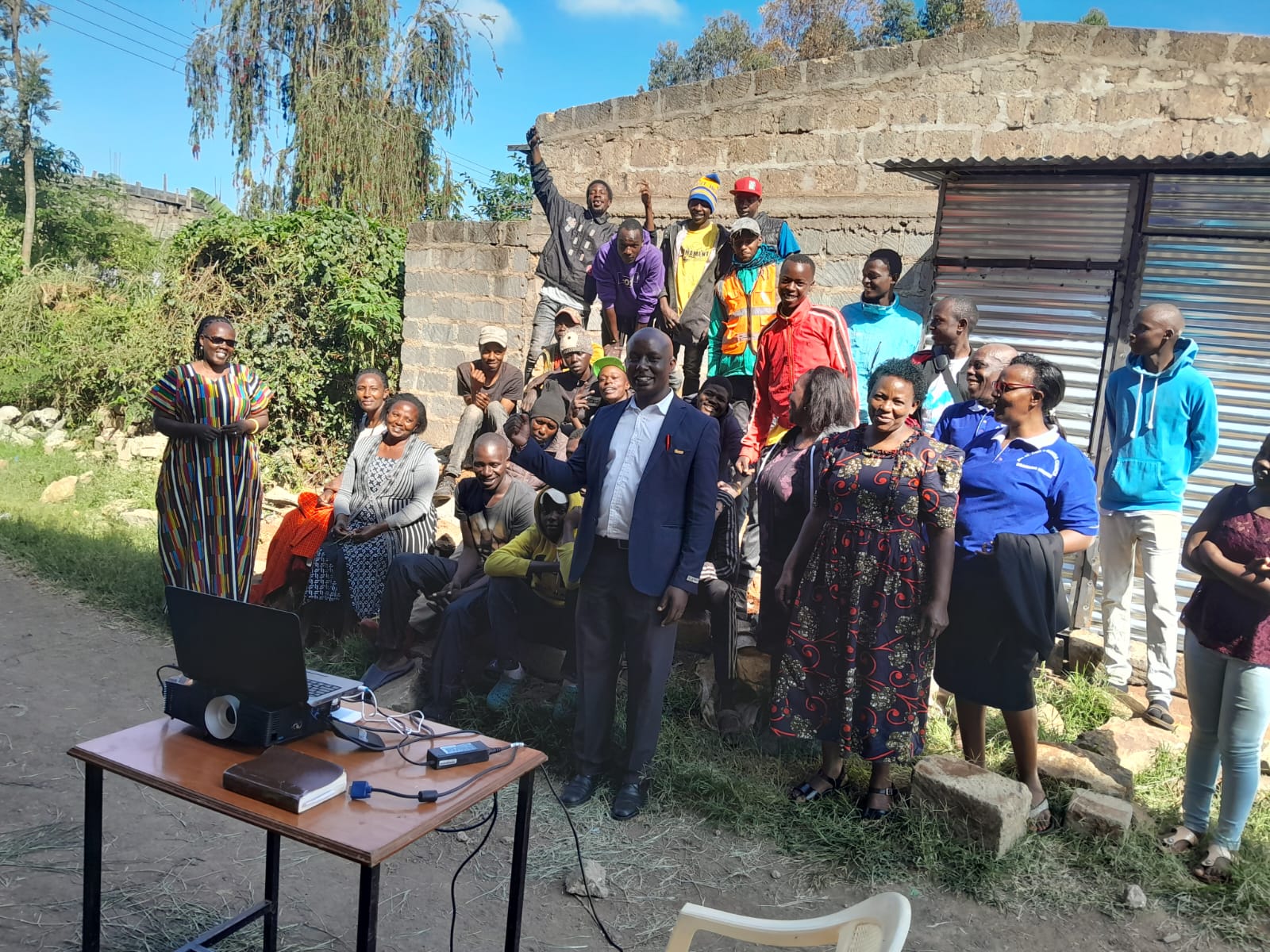
In response to the growing crisis, Lifeline Khair Foundation launched an emergency operation focused on delivering food, shelter, and medical supplies to affected communities across Sudan. Our teams worked around the clock to source, pack, and transport essential items to areas where they were needed most. We established temporary distribution points in conflict-affected regions and collaborated with local community leaders to ensure that aid reached families who had been cut off from international assistance.
Our emergency response included the provision of staple foods, clean water, emergency shelter kits, and medical supplies. We also set up mobile health clinics to provide primary care, vaccinations, and maternal health services to displaced populations. Over the course of the operation, we distributed food packages to more than twenty thousand families, provided clean water to over fifty thousand people, and treated thousands of patients through our mobile clinics.
Operating in Sudan presents enormous logistical and security challenges. Our teams had to navigate damaged infrastructure, unpredictable security conditions, and complex bureaucratic barriers to reach communities in need. We coordinated closely with local authorities, community leaders, and international humanitarian organizations to identify safe routes and distribution points. In many cases, we had to use smaller vehicles and alternate routes to avoid areas of active conflict, and we relied on local guides who knew the terrain and could help us navigate safely.
Despite these challenges, our teams remained committed to delivering aid to those who needed it most. We established a network of trusted local partners who helped us distribute supplies fairly and transparently, ensuring that no family was left behind. We also implemented strict safety protocols to protect our staff and volunteers, including regular security briefings, communication check-ins, and evacuation plans. The dedication and courage of our team members made it possible to reach some of the most inaccessible and vulnerable communities in Sudan.
The collapse of Sudan’s health system has left millions without access to basic medical care. Our emergency response included the deployment of mobile health clinics staffed by doctors, nurses, and community health workers. These clinics provided primary care, wound treatment, vaccinations, and maternal health services to displaced families living in camps and remote areas. We also distributed essential medicines, including antibiotics, pain relievers, and antimalarial drugs, to communities that had run out of supplies.
In addition to direct medical care, we trained local community health workers to identify and treat common illnesses, provide health education, and refer severe cases to higher-level facilities. This approach helped build local capacity and ensured that health support would continue even after our teams moved on. We also worked with local leaders to address cultural barriers to healthcare, particularly for women and children, and to promote hygiene practices that could prevent the spread of disease in crowded camp settings.
Behind every statistic is a human story of survival and hope. In one village, a mother of three walked for three days with her children to reach a distribution point where our team was providing food and water. Despite the trauma she had experienced, she shared her story with our volunteers and expressed gratitude for the assistance that would allow her family to survive another month. In another community, a group of local women organized themselves to collect firewood, cook meals, and care for children whose parents were searching for work or medical help. Their resilience and solidarity inspired our team and reminded us that humanitarian aid is not just about providing material support — it is about recognizing and strengthening the resilience that already exists within communities.
Another powerful moment came when our medical team treated a young boy who had been injured by shelling and had not received medical attention for several days. After receiving wound care and antibiotics, the boy’s mother thanked the team with tears in her eyes, explaining that she had feared he would lose his leg or worse. Stories like these drive our commitment to continue responding to crises like Sudan’s, even when the situation feels overwhelming. Every life saved, every family fed, and every child treated is a reminder of why we do this work.
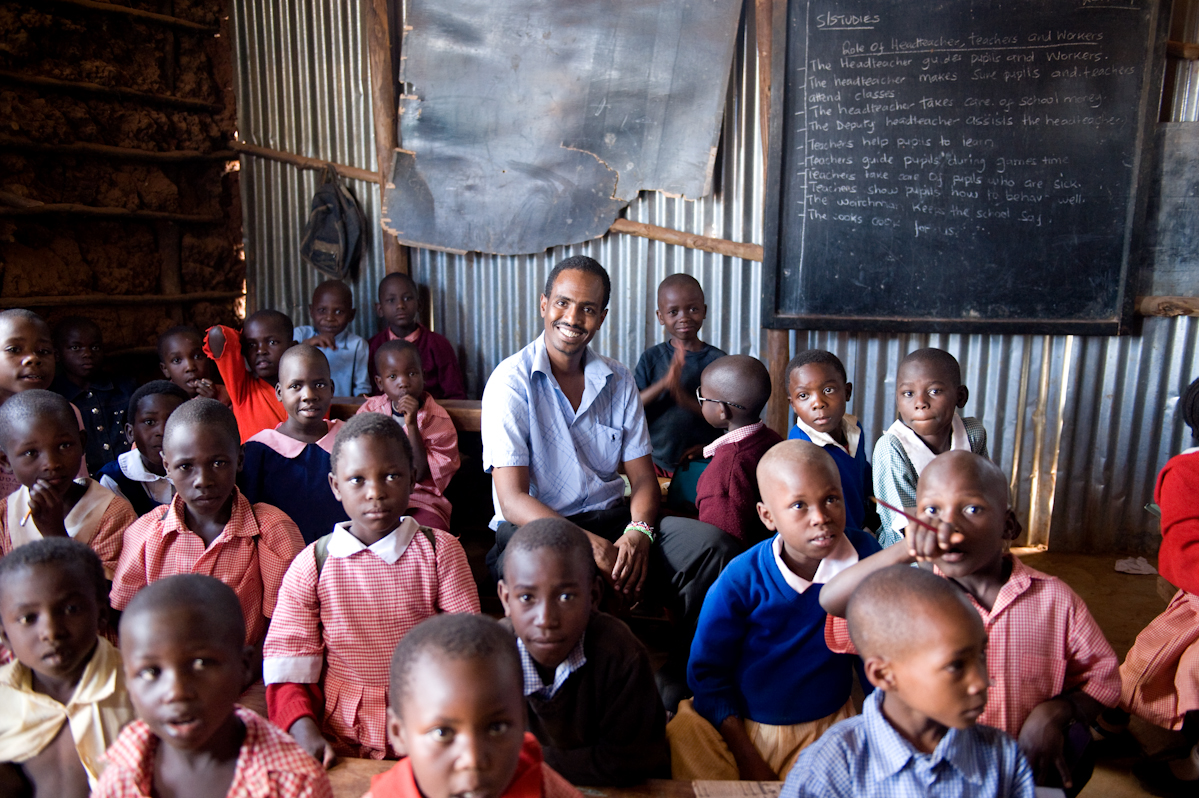
The crisis in Sudan is far from over, and the need for sustained humanitarian support remains critical. As immediate emergency needs are being addressed, we are also planning longer-term recovery initiatives that will help communities rebuild their lives and livelihoods. This includes support for small-scale agriculture, water and sanitation infrastructure, education programs, and economic empowerment initiatives for women and youth. We believe that emergency relief must be followed by investment in resilience and self-reliance if communities are to recover fully.
We are also advocating for increased international attention and funding for the Sudan crisis, which has received far less media coverage and donor support than other humanitarian emergencies. We encourage individuals, organizations, and governments to stand with the people of Sudan by donating, spreading awareness, and calling for sustained diplomatic efforts to end the conflict. The road to recovery will be long, but with continued support and solidarity, the people of Sudan can rebuild their communities and create a more peaceful and prosperous future.